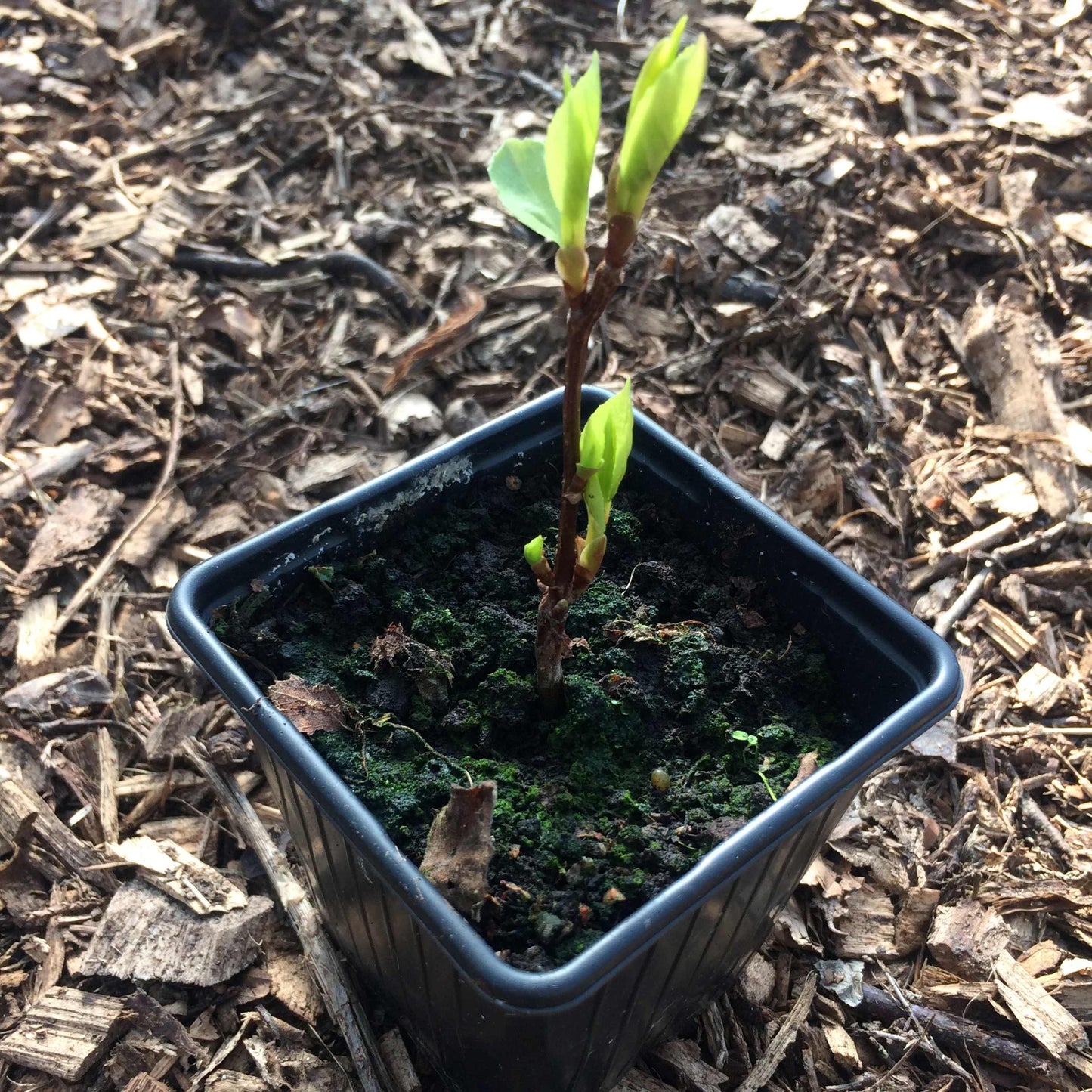
Chinese Magnolia Vine (Schizandra chinensis) – 9cm Pot
Chinese Magnolia Vine (Schizandra chinensis) – 9cm Pot
In stock
Couldn't load pickup availability
Chinese Magnolia Vine is a vigorous, deciduous woody climber native to the forests of northern China, the Russian Far East, Korea, and Japan. Its glossy green leaves and delicate fragrant flowers give way to clusters of bright red berries that are treasured in herbal tradition. The fruits are known as “five‑flavor berries” (Wu Wei Zi), for their unique combination of sour, sweet, salty, pungent, and bitter tastes.
Traditionally valued for their adaptogenic properties, the berries are used to support overall wellbeing, including heart, liver, respiratory and immune health.
Whether you’re creating a medicinal herb garden, permaculture plot, or simply want to grow a beautiful, vine, Schizandra chinensis is a rewarding and historic plant to cultivate.
Please note that both male and female plants are required for berry production. However, we are not certain of the sex of the plants currently in our stock. Based on their differing growth rates and sizes, we believe it is possible that we have both male and female plants.
Plant Details
Botanical Name: Schizandra chinensis / Schisandra chinensis
Common Names: Chinese Magnolia Vine, Five‑flavor berry, Wu Wei Zi
Pot Size: 9 cm
Plant Type: Deciduous climber
Position: Sheltered, part shade to shade
Soil: Moist, loose, well‑draining
Height at Maturity: Can reach 8–9 m (26–30 ft) tall with support
Spread: Controlled by training shoots
Hardiness: Hardy in a range of climates
Origin: Grown from seed in Ireland since 2025.
Growing Guide
Planting:
Plant in moist, fertile soil with good drainage. Provide sturdy support such as a trellis, pergola, or fence to allow climbing growth.
Care:
Water regularly during establishment, and mulch to retain moisture. Prune lightly to manage shape and remove weak or old growth in early spring.
Herbal Notes
The five‑flavor berries of Schizandra chinensis have a long history in traditional herbal medicine. They are considered adaptogenic, meaning they may help the body adapt to stress, and have been traditionally used to support liver health, increase vitality, and promote overall wellbeing.
Share